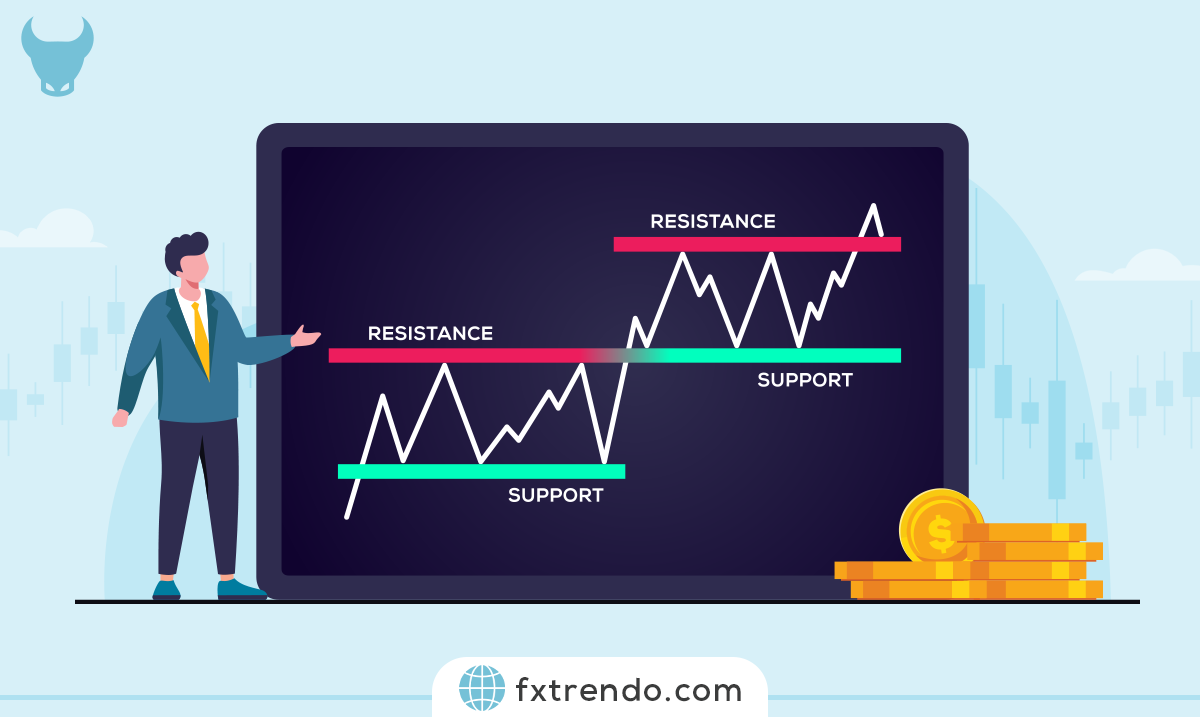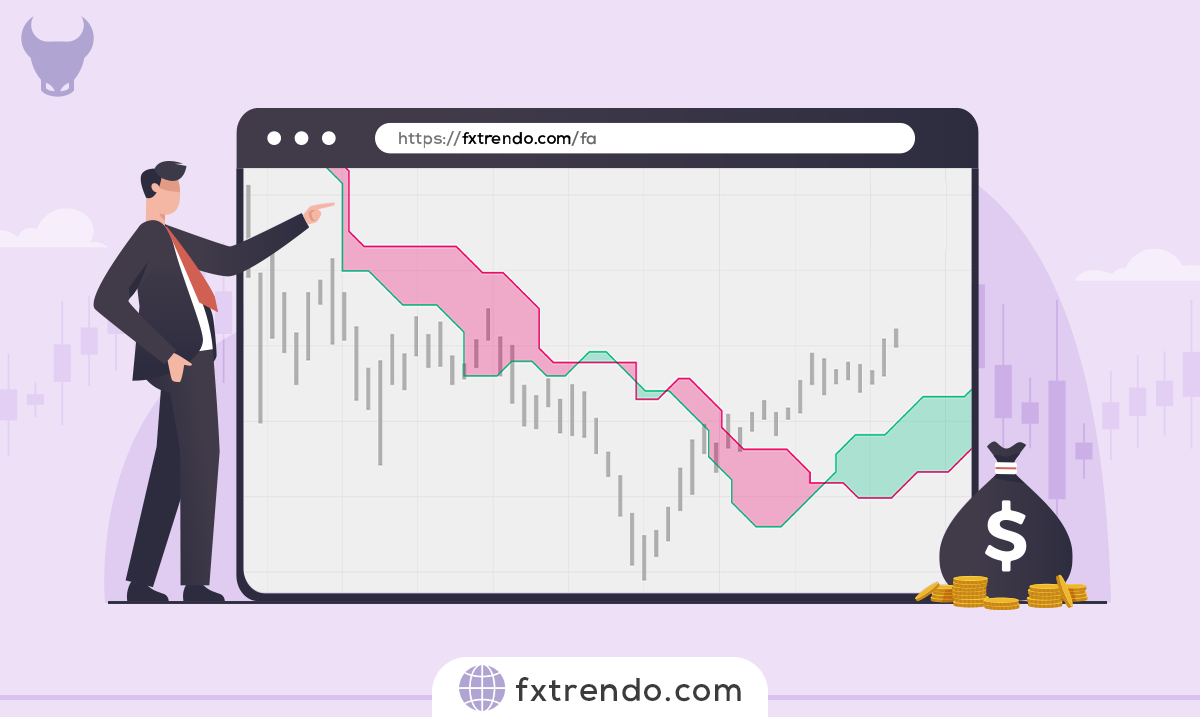
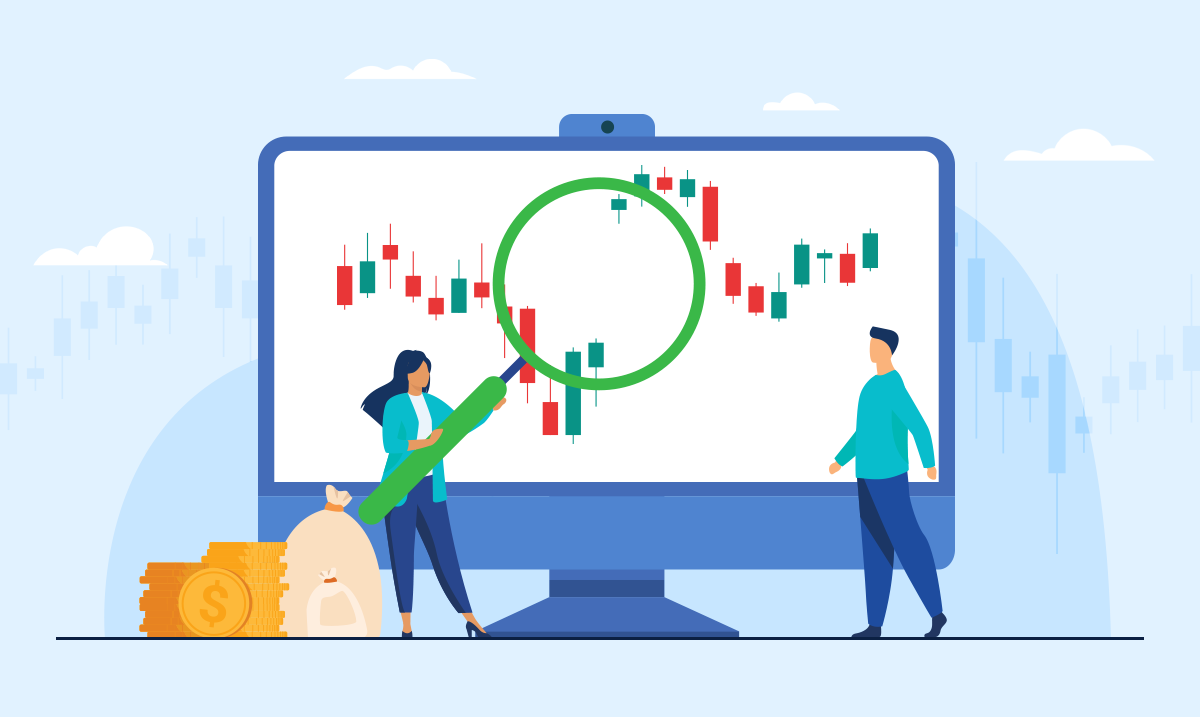




In a part of the financial market charts, there is a space between the candlesticks where no trading activity has taken place, and it is created for various reasons. The distance between the previous candlestick’s closing price and the opening of the next candle is called a Price Gap. Further, we will discuss the definition of Gap and using it in trading.
What is a Price Gap in Forex?
A gap refers to an area of the chart where no trading activity has taken place. It occurs when the price of an asset or currency pair goes down or up sharply, and there is nothing in between, meaning that the market has opened at a different price than its previous candlesticks closing. It means that when a candlestick closes at a specific price and a new candle opens at another price much higher or lower than the last one, a price gap is created.
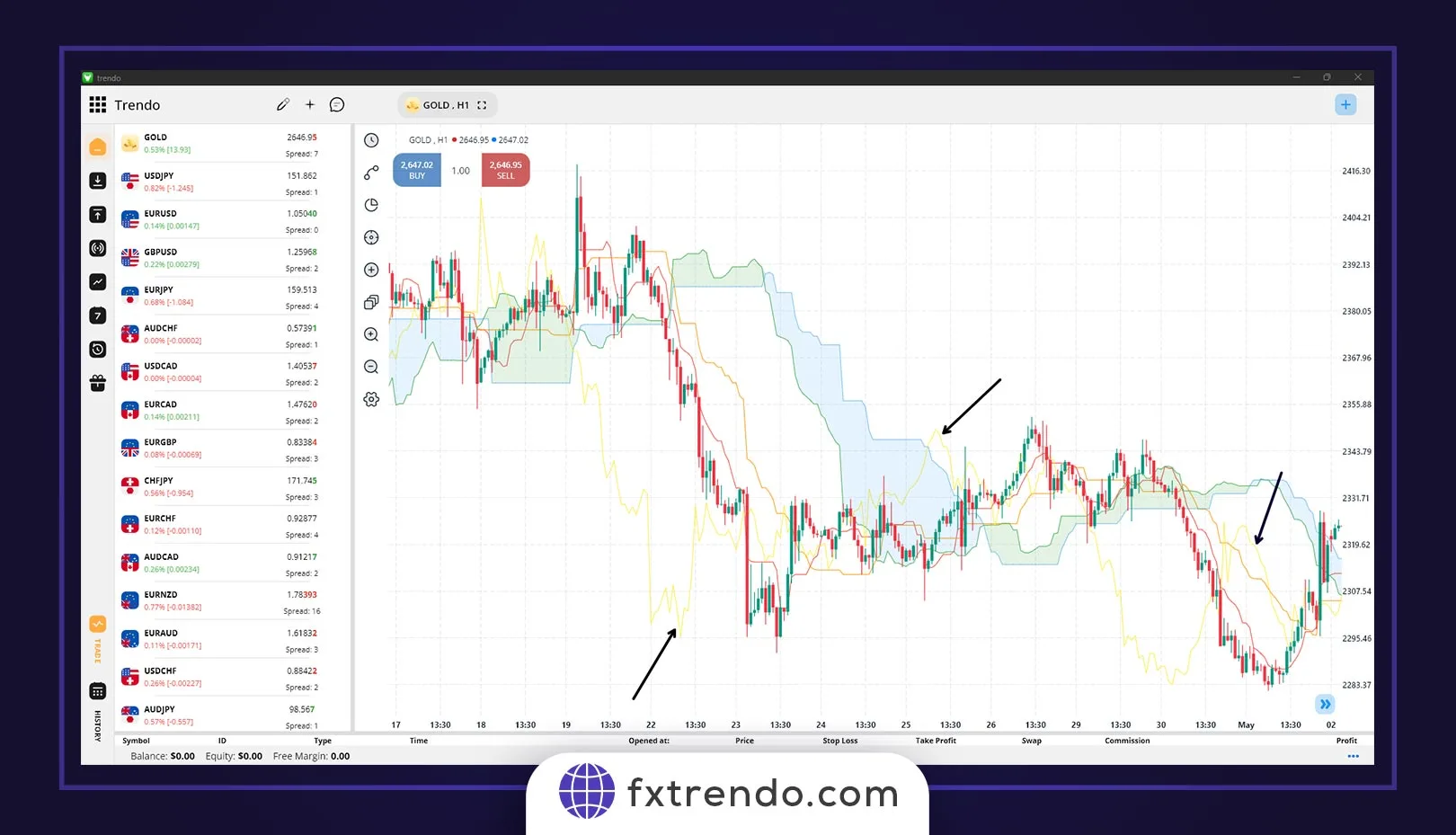
Why does a Gap occur?
Gaps are created for fundamental and technical reasons. For example, if a company’s earnings report is much higher than expected, the company’s stock may have a gap the next day. It means the stock price opened higher than the previous day’s closing, thus creating a Gap. Other news, such as significant economic calendar news and reports, major political news, tension or war between countries, etc., can lead to a price gap.
In the forex market, a gap is created for two reasons. The first is because the forex market is closed on Saturday and Sunday. In these two days, events, such as political or economic news, tension, and war between countries can cause a price gap in forex symbols. For example, on March 12, 2023, the US banks’ bankruptcy news on Saturday and Sunday caused the dollar to weaken. And symbols related to the dollar, such as the EURUSD, USDJPY, XAUUSD, etc., opened on Monday with a severe price gap compared to Friday. Therefore, the first reason for the price gap in Forex is the fundamental and technical news on Saturday and Sunday.
The second reason is the economic calendar’s important news release. In the forex market, significant economic news such as the interest rate, inflation, or the US NFP, etc., may be published at a specific time, very weak or very strong, contrary to expectations, at such times, because the trading volume reaches its peak in a fraction of a second and it causes strong supply or demand on one side, resulting in a price gap in related symbols. Imagine that the US Central Bank’s interest rate news is published at 01:30 pm, and contrary to expectations, this bank increases its interest rate, and as a result, the value of the US dollar rises. At such a moment, in the symbols related to the dollar, considering that there is a strong demand for the US dollar purchase in the symbols EURUSD, USDJPY, XAUUSD, etc., in the candles opened after the news release compared to the candles before the news release, you might see the price gap. .
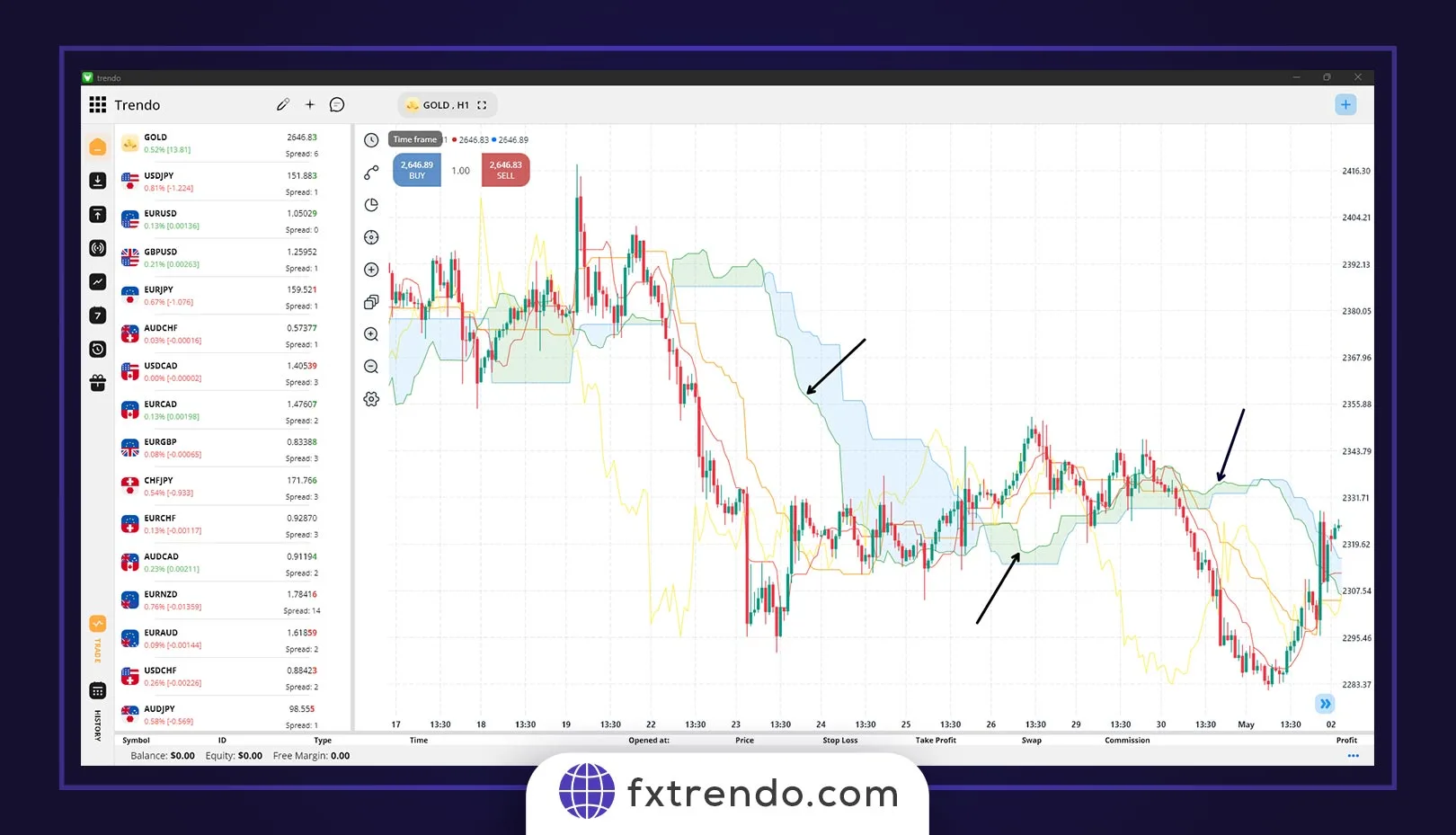
Ascending and descending Gap
A bullish gap occurs when the candle’s opening price is higher than the closing price of the previous candle.
A bearish gap occurs when the candle’s opening price is lower than the closing price of the previous candle.
Stock market and Gap
The price gap is common in the stock market because trades usually only occur between designated market hours, depending on the stock trades that are done. For example, stocks of US companies such as APPLE are open only between 02:30 and 09 pm. Due to the daily holiday in the first picture, there were several gaps in APPLE shares.
Even if trades are done outside these hours, the charts will not be updated. So there is a gap between 02:29 and 09:01 pm. During this time, buying and selling prices may change, and it is reflected in the next day’s opening price.
Forex and Gap
Although the forex markets are open 24 hours a day, they are closed on weekends, Saturdays, and Sundays. However, the forex market is closed to retail traders only. Large banks and investment funds may still trade over the weekend, which creates gaps. Gaps occur based on fundamental news when markets are closed to retail traders, but may also be based on technical factors like failures. Therefore, although there is usually no price gap in the forex market on weekdays other than when major economic calendar news is released, it is common on weekends.
Generally, all markets with fixed market hours are often subject to a price gap between trading and non-trading hours.
Types of Gap
Common Gap
A common gap usually occurs without any significant event, and they are very common, as the name suggests. It mostly happens during holidays , like Saturday and Sunday forex holidays, or one-hour daily holidays for gold, oil, and the stock market index, etc. Because the amount of this type of gap is small, it usually fills up quickly.
Common gaps are usually what market technicalists refer to as filled gaps. It refers to when the price returns to where the gap was created. For example, if APPLE stock closes at $158.00 on Monday, and then APPLE opens the next day at $158.30, Tuesday’s price will tend to reach the $158 price level.
Breakaway Gap
A breakaway gap is a term used in technical analysis that identifies strong price movement when it meets support or resistance levels. Price crosses the support or resistance through a Gap. Breakaway gaps are often seen early in a trend when the price breaks out of the range. This type of gap can also occur with the breakdown of other technical pattern types such as triangles, wedges, cups, and handles, or head and shoulders patterns.
A breakaway gap with higher than average volume indicates a strong trend in the direction of the Gap. Increasing volume in this type of gap helps confirm that price action is likely to continue in the breakaway direction. If the volume in the breakaway gap is low, the probability of a fake breakaway is higher. A fake breakaway occurs when the price gap is above the resistance or below the support level, but the price fails to sustain and returns to the previous trading range.
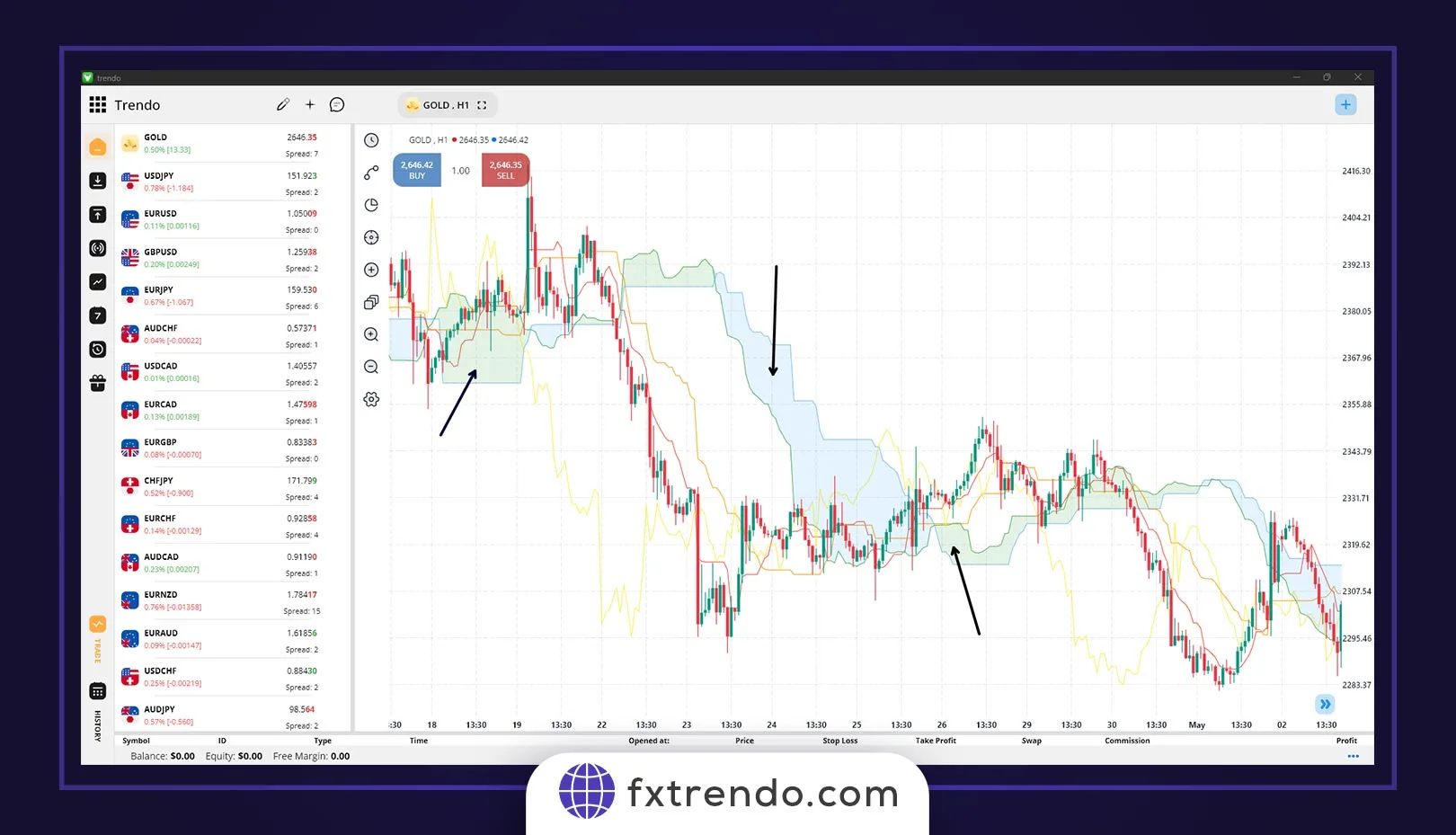
Exhaustion Gap
When there is a good upward or downward trend and a price gap is created in the previous trend’s direction, but there is no significant increase in trading volume, it is a sign of an Exhaustion Gap. The exhaustion gap shows that the current trend has reached its peak and can no longer continue, and market traders are changing the trend. The exhaustion gap is one of the best types of Gap for traders because it warns traders of a trend end and change.
The principle of the Exhaustion Gap is that in a current trend, e.g., an uptrend, the number of likely buyers reduces, and sellers aggressively enter the market. Buyers may be largely exhausted, which means that the uptrend is likely to stop as buyers have benefited from the previous long rally in the stock price and are ready to exit the market, i.e., sell.
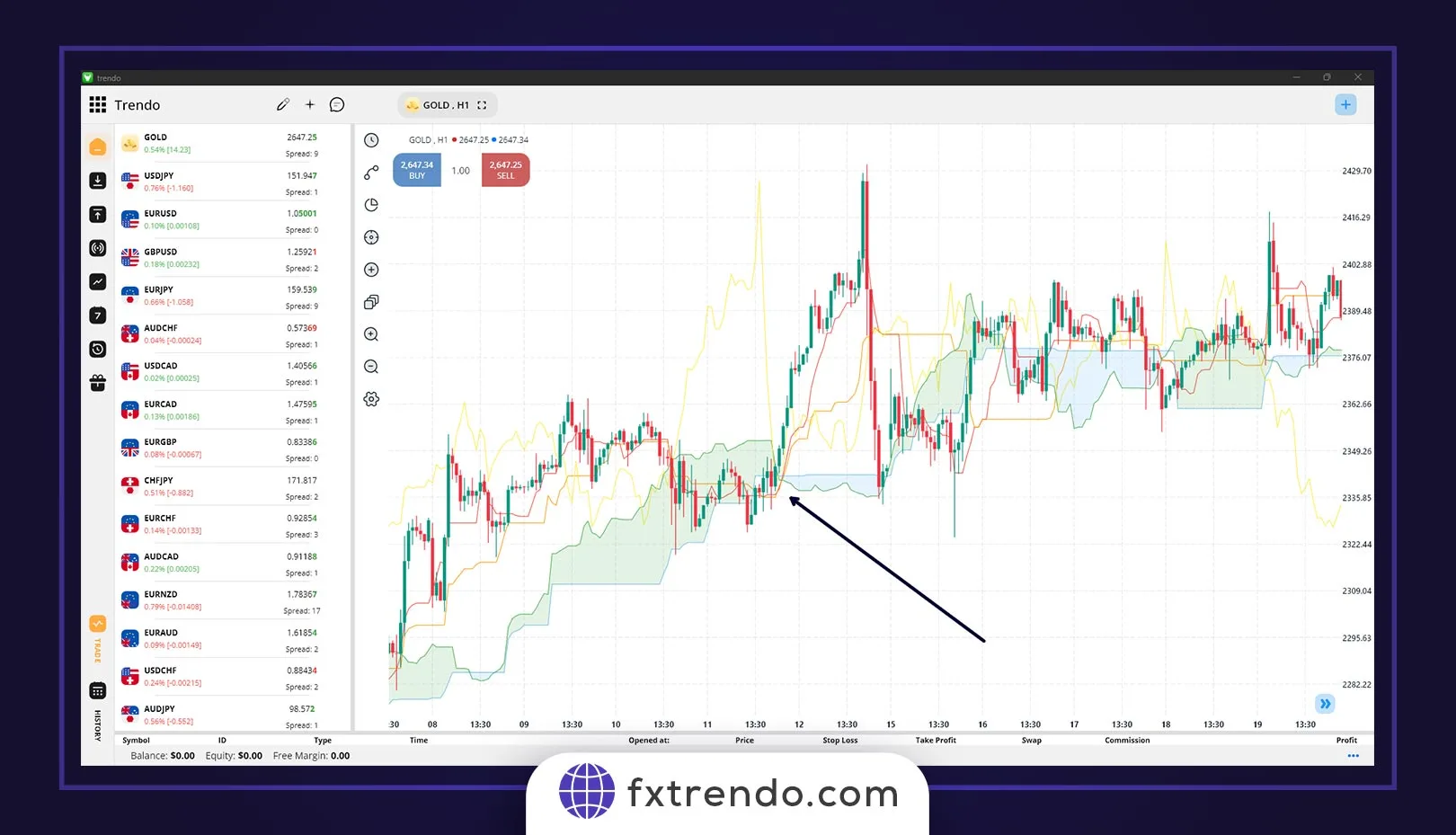
Runaway Gap
Generally, a gap in the price of an asset occurs when the price increases significantly in an upward or downward direction. A runaway gap is one of several gaps that may occur during a process. This type of gap, best seen on a price chart, occurs during strong bullish or bearish moves and is portrayed by a significant price change in the dominant trend’s direction.
During a trend, the price of an asset may experience several gaps that can help strengthen the direction of the trend. Market technicalists have theorized that Runaway Gaps often occur after experiencing a breakaway gap because the possibility of an unexpected event, such as news, can reinforce an existing trend.
The psychology behind runaway gaps is that traders who didn’t enter on the initial move, get tired of waiting for a correction and enter the market. This sudden buying or selling interest occurs in a flash, usually precipitated by unexpected news, which forces the market maker to place orders at price points further away from the last traded price before the gap formed. Traders’ eagerness to interact, sometimes accompanied by panic, leads them to trade at these price levels, causing the asset price to jump up or down, leading to the Runaway Gap appearance.
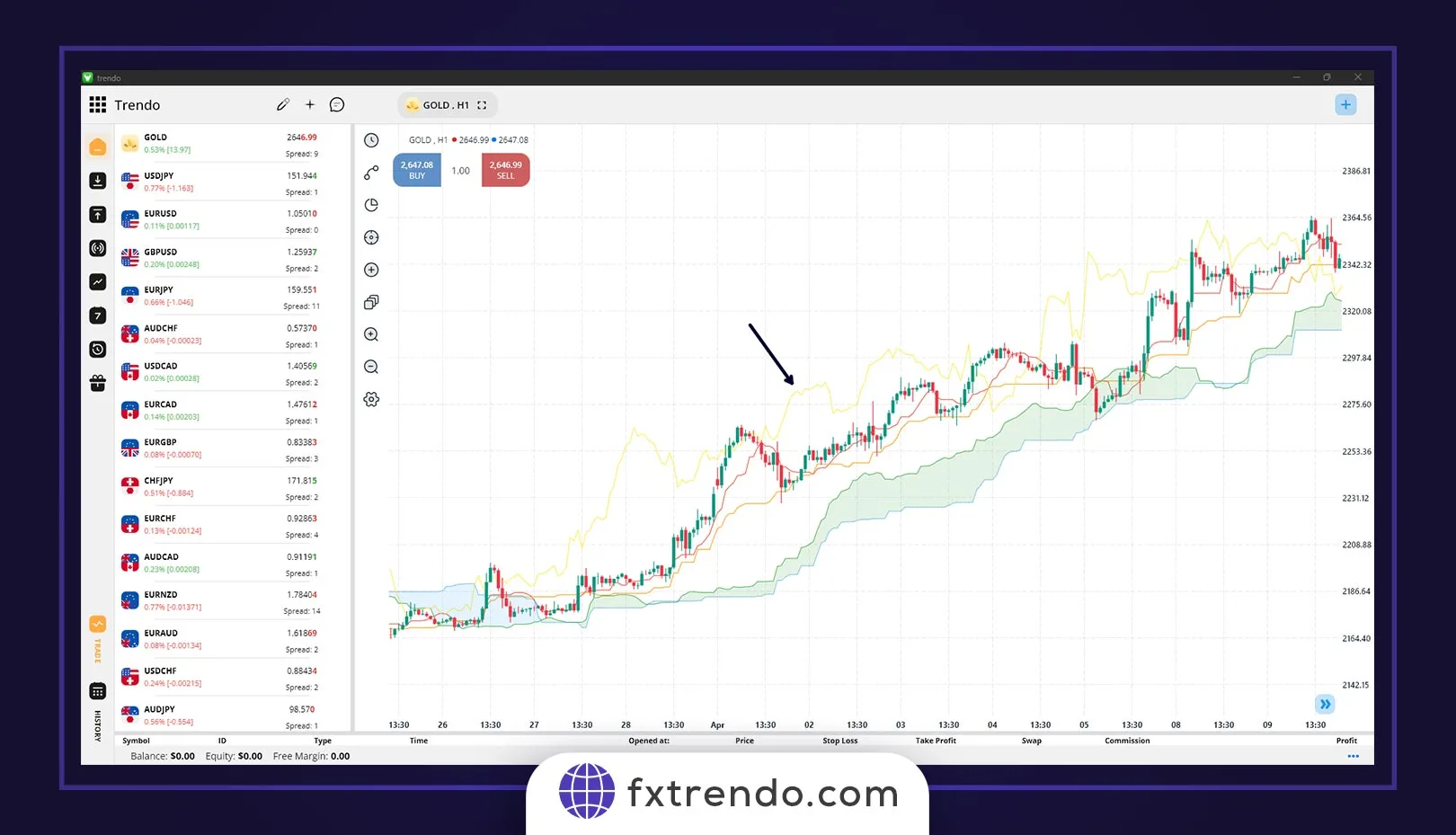
Trends and Gaps
Uptrends and downtrends usually follow trading cycles that usually include breakaway, runaway, and exhaustion gaps. A breakaway gap usually occurs to support a trend reversal signal. It may be accompanied by a resistance pattern at the top or a support pattern at the bottom. As an asset’s uptrend or downtrend begins, the market setting prepares for multiple runaway gaps. Runaway Gaps are usually accompanied by high trading volume, which supports investor confidence in the trend direction. Runaway gaps can be added as evidence that the current trend is sustainable. And finally, exhaustion gaps occur near the bottom of the price pattern and are a sign of a final attempt to reach a price ceiling or floor.
Are the Gaps filled or not?
When someone says that the gap is filled, it means the price has returned to the initial level before the Gap. These fillings are very common and occur due to the reasons below:
- Irrational exhilaration: The initial possible price change that caused the gap could have been overly optimistic or pessimistic, so it needs to be corrected.
- Price pattern: Price patterns are used to classify the gaps and can let you know if the gap is filling or not. Exhaustion gaps are usually the most likely to be filled as they indicate the end of a price trend, while runaway and breakaway gaps are significantly less likely to be filled as they are used to confirm the current trend direction.
When the gaps are filled on the same day as the trades on which they occur, it is known as fading. For example, a company announces high earnings per share for the coming quarter, and the news pushes the stock price higher (meaning the price opens significantly higher than its previous candle’s closing). Now suppose, during the day, people realize that the announcement shows some weakness, so they start selling. Finally, the price reaches yesterday’s close, and the gap fills.
Gap Trading Strategies in Forex
Below, we explore the most important trading strategies based on price gaps. Each strategy is reviewed separately, and the methods for entry, exit, and risk management are explained briefly and in a practical manner.
1) Full Gap Trading Strategy
The Full gap trading strategy focuses on spotting and evaluating a forex gap within the market structure. To fully grasp this method, it is important to first answer the question: What is gapping in forex? Gapping occurs when the price opens a new candle significantly above or below the previous candle’s closing price, leaving an empty space where no trading activity has taken place. These gaps are typically caused by major economic announcements, abrupt changes in market sentiment, or the market reopening after weekends or holidays. When traders ask what a gap in Forex is, they are often referring to this price imbalance, which is most commonly observed at the weekly market open.
Within the full gap trading strategy, traders focus on the high probability that price will retrace and fully close the gap after it forms. Once the forex gap is confirmed by early price action, a position is taken in the opposite direction of the gap—selling after an upward gap and buying after a downward gap. To improve precision, traders often rely on lower time frames along with technical tools such as support and resistance levels. The take-profit target is placed where the gap is completely filled, while the stop-loss is set near the gap’s origin. Effective risk management and avoiding trades during periods of extreme news-driven volatility are critical for consistent results.
2) Partial Gap Strategy
The partial gap strategy is a widely used approach in forex gap trading, favored by experienced traders who focus on price reactions following the formation of a gap. When analyzing the different gap types in the Forex market, it becomes evident that many gaps are not fully closed. In numerous situations—especially during a gap down forex scenario—price retraces only a portion of the gap before resuming its original direction. The partial gap strategy is designed to capitalize on these short-term corrective movements without requiring a complete gap fill.
Under this method, once a gap has formed and price initially moves in the direction of the gap, traders look for signs of momentum loss or price weakness. A position is then opened against the gap. The take-profit target is typically set at a partial retracement of the gap, usually between 30% and 60%, while the stop-loss is placed near the gap’s high or low. Careful gap selection and disciplined risk management are essential elements for success in forex gap trading.
3) End-of-Day Gap Strategy
The end-of-day gap strategy is a trading approach based on price behavior at market close and reopen, and it is mainly applicable to markets with daily trading halts. To understand this method, we must first know what a gap means; a gap refers to the distance created between the closing price of one candle and the opening price of the next candle, during which no trading has occurred. Among the different types of gaps in technical analysis, end-of-day gaps usually form due to news released after the market closes or changes in trader sentiment before the start of the new trading day.
In the end-of-day gap strategy, the initial price reaction after the market reopens is analyzed, and if signs of reversal appear, a trade is placed against the direction of the gap. The take-profit is set near the previous day’s closing level, while the stop-loss is placed slightly beyond the high or low of the gap. Risk management and avoiding trades on major news days are particularly important.
4) Modified Gap Strategy
The modified gap strategy is an advanced approach among modern gap trading strategies, combining gap behavior with detailed price action analysis. When studying the various types of gaps in trading, it becomes evident that many gaps do not result in an immediate market reversal. Instead, price often undergoes a brief corrective pullback before continuing in the original direction of the gap. This strategy is designed to take advantage of that early correction, giving traders an opportunity to enter the market after the initial volatility has settled and risk levels are more controlled.
With the modified gap strategy, once a gap forms and price makes its first move in the gap’s direction, traders patiently wait for a retracement toward key technical levels. A trade is then executed in line with the gap direction once clear reversal or continuation signals appear. The stop-loss is positioned beyond the correction zone, while the take-profit target is set based on trend continuation, helping to enhance the overall risk-to-reward ratio within structured gap trading strategies.
Best Practices and Tools for Trading Gaps
To trade gaps effectively, the first and most important principle is correctly identifying the type of gap and the conditions under which it forms. Not all gaps behave the same way; therefore, before entering a trade, the trader must analyze the direction of the overall market trend, trading volume, and the timing of the gap formation. Combining gaps with price action analysis, support and resistance levels, and market structure significantly improves decision-making accuracy and helps prevent emotional entries.
From a tools perspective, using multiple time frames to confirm entry and exit points, along with indicators such as Volume and Moving Averages, can be highly effective. Setting a precise stop-loss near the gap and choosing a logical take-profit level play a key role in risk management. Ultimately, sticking to a trading plan and avoiding trades during extremely volatile news events are considered among the best practices for achieving consistent success in gap-based trading strategies.
Weekend Gap Trading Explained
Weekend gaps, or Weekend Gap, refer to the price difference between the market’s close at the end of the week and its reopening at the beginning of the new week. This type of gap usually forms due to the release of important economic or political news during non-trading days, as well as shifts in trader sentiment over this period. Weekend gaps are most commonly seen in the forex market gaps, and their size can range from small to very significant, depending on the impact of the news and overall market conditions.
When trading these gaps, analyzing the direction of the broader market trend and the price reaction during the initial hours after market reopening is extremely important. In many cases, price tends to fill part or all of the gap, but this behavior is not guaranteed. For this reason, using price action confirmations, setting a clear stop-loss, and applying strict risk management are essential to avoid sudden losses when trading weekend gaps.
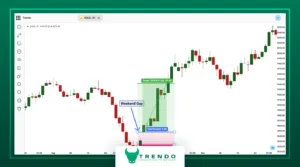
For example, as shown in the image below from the daily gold chart, after a weekend gap formed, gold started a strong bullish trend in the direction of the gap.
How to trade with Gaps?
There are many ways to use gaps, with some strategies more popular than others. Some traders trade when fundamental or technical factors are strong in the gaps’ favor or loss on the next trading day. For example, due to the war between Russia and Ukraine, there was a strong demand for gold as a safe asset, and gold opened on the forex market with a strong positive gap. Traders consider the published news strong and decide to trade after a suitable situation in the bullish gap direction.
After establishing a high or low point (often through other technical analysis forms), some traders fade the gaps in the opposite direction. For example, if a stock has a gap based on some speculative reports, experienced traders may close the gap by opening a sell trade for that stock. Finally, traders may buy when the price level reaches the previous support after the gap fills.
Here are the key points to remember when trading with Gap:
- Check the desired symbol in terms of Gaps. Usually, stock market symbols may have many gaps in the chart due to daily holidays, and these gaps are not worth trading because they are of a common type.
- Identify the cause for creating a gap, if the reason for a Gap is strong, try to trade in the gap direction in a suitable situation, and if the cause is not strong, the gap may occur due to the market’s excitement and it is easily filled, and will continue the trend in the gap’s opposite direction.
- Check the behavior of symbols in gaps created in the past and use them in your trades.
- Once a symbol starts filling the gap, it rarely stops because there is often no immediate support or resistance.
- Identify the type of gap and create a relationship with the reason for the Gap.
- Exhaustion and runaway gaps predict the price in two different directions – make sure you correctly categorize the Gap you’re about to play.
- Retail investors usually show irrational exhilaration. However, institutional investors and algorithmic systems may be playing to help your portfolios, so be careful when using this indicator and wait and use other confirmations before taking a position.
- Be sure to consider the volume. High volume should occur in breakaway gaps, while low volume should occur in exhaustion gaps.
- Check the behavior of different symbols in the created gaps and use them in your trades.
Below is an example of this strategy.
An example of trading with Gap
Trading gaps are a matter of choice. While some traders swear by trading gaps, other traders avoid doing so. Some traders have found that depending on the particular currency pair, the gaps are often filled. So these traders feel comfortable trading the gap. On the other hand, other traders believe that the gaps are not always filled and are usually less filled. These traders avoid trading gaps. If you pick the right currency pair or stock index, and if those markets tend to fill gaps, it may be profitable to trade gaps. If you want to trade gaps, there are a few things to keep in mind. Further, we will review a trade based on the gap.
For example, in the picture below, there is a gold gap, which occurred on Saturday and Sunday holidays and was due to the US banks’ bankruptcy news. Firstly, from the fundamentals and news point of view, the reason for the gap is strong, and the price of gold will likely grow in the gap direction.
Secondly, the created gap was because it occurred in the middle of an upward trend, and after breaking the resistance of $1,850, it is a runaway gap type. Due to the two reasons mentioned, you can look for a buy position in the gold symbol after the occurrence of this gap.
As you can see in the picture, gold closed at the 1867 number and opened with a gap at the 1884 number, and after an upward swing, it penetrated the Gap. A trader can look for a buy position with a stop below the pre-gap candle when the price penetrates 50% to 70% of the gap created.
How are conditional trades and stop loss or take profit activated in gaps?
As it was said, when there is a gap, there is a space in the chart between the previous and the next candle, as a result, there is no price and no trade. Therefore, if the conditional trades and the stop loss or take profit is in the gap area, these transactions are activated at the price where the new candlestick starts to form a candlestick.
For example, suppose that on Friday, a few hours before the end of the market, a trader buys 0.1 lot in the gold symbol at the price of 1920 and sets the stop loss for this transaction at 1910, then the gold symbol closes at 10 pm on Friday with a price of 1914. Then, after Saturday and Sunday holidays, due to news reasons, the gold symbol will open on Sunday at 11 pm in the 1905 number. Therefore, instead of being activated in 1910, the trader’s trade stop loss will be activated in 1905 at a higher loss due to the descending gap. This issue is due to slippage.
With this strategy type, some traders believe not using take profit and stop loss is better because the bottom and top of the charts naturally act as take profit and stop loss. However, other traders believe that stop-loss orders should always be used and set at essential resistance or support levels to avoid high losses. The choice of each trader is based on their risk assessment. However, in general, traders must place stop-loss orders on each trade.
In another example, imagine that before closing the forex market, a trader places a conditional buy-limit transaction in the number 1910, and the market closes at 1914 as in the previous example, and when the market opens, the buy transaction is active in the number 1905 instead of 1910.