



In the Forex market, two key concepts—slippage vs spread—play a major role in trading outcomes. The spread represents the difference between the bid and ask prices of an asset and is considered the primary cost of every trade. Slippage, on the other hand, refers to the difference between the expected execution price and the actual price at which the order is filled. Understanding the slippage vs spread difference is crucial for traders to optimize their trading costs and manage risks effectively. In this article, we will explain the differences between slippage and spread, the factors that affect them, and practical strategies to minimize their impact.
What Is Spread?
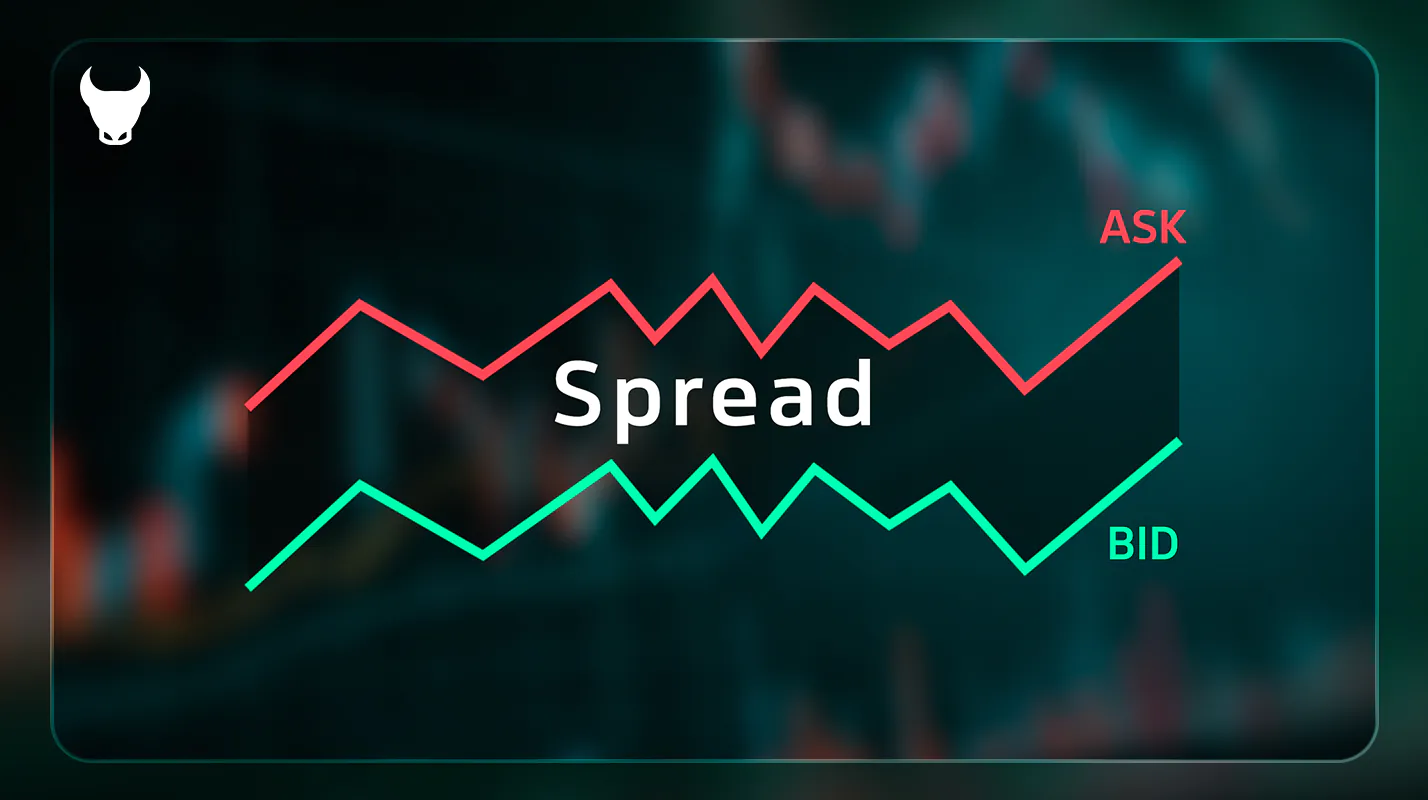
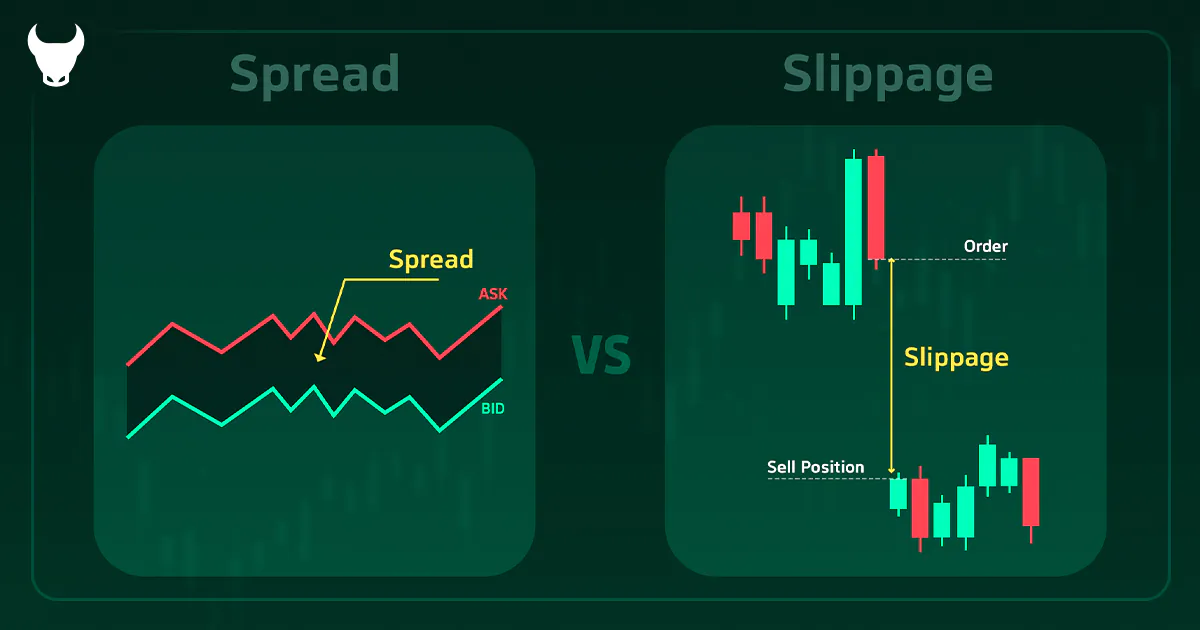
Spread is one of the most fundamental concepts in financial markets and has a direct impact on trading costs. It refers to the difference between the bid price (the price buyers are willing to pay) and the ask price (the price sellers are willing to accept) of a financial instrument. This difference—present in instruments such as currency pairs, stocks, and cryptocurrencies—is a real cost that every trader incurs in each trade. In other words, the moment a trade is opened, this price difference is applied as an initial cost.
For example, if the bid price of the EUR/USD pair is 1.2000 and the ask price is 1.2003, the spread equals 3 pips. In commodities like gold or indices, spreads may be expressed in numerical values, such as $0.50 per ounce of gold.
Factors Affecting the Spread
-
Market Volatility: During major news releases or high volatility periods, spreads typically widen.
-
Trading Volume: Markets with higher liquidity (greater trading volume) tend to have narrower spreads.
-
Account Type: ECN accounts usually offer tighter spreads but include separate commission fees.
Understanding these drivers lets you pick the right session and broker so that spread and slippage stay manageable.
Spread in Stock and Bond Markets
In stock and bond markets, the spread not only represents the cost of trading but also serves as a measure of market liquidity. A narrower spread generally indicates easier trading conditions and lower transaction costs for investors.
What Is Slippage?
For a good understanding of slippage concept , it is recommended to read our forex slippage article.
Slippage refers to the difference between the expected price of a trade and the actual price at which it is executed. This phenomenon usually occurs due to rapid market movements, low liquidity, or order execution delays. It is commonly observed in various markets, including stocks, Forex, cryptocurrencies, and other financial instruments.
When a trader places an order at a specific price, the market may move before the order is filled—resulting in execution at a different price. Slippage can be positive or negative:
-
Positive Slippage: Favors the trader—for example, buying at $98 instead of the expected $100.
-
Negative Slippage: Works against the trader—for example, buying at $102 instead of $100.
Main Causes of Slippage
| Cause | Explanation |
|---|---|
| High Volatility | During major news or unexpected events, price gaps between the requested and execution prices widen. |
| Low Liquidity | A lack of enough buyers or sellers can cause orders to be filled at prices different from the intended level. |
| Large Order Size | High-volume orders can move prices in less liquid markets, leading to slippage. |
| Order Type | Market Orders are executed at the best available price and are more prone to slippage, while Limit Orders can minimize this risk. |
| Broker Execution Speed | Slow order execution or platform delays can result in slippage. |
| Price Gaps | Market gaps—especially after weekends or major news—often lead to significant slippage. |
Knowing how spread impact vs slippage in trading unfolds allows you to choose order types—such as limits or stop-limits—that guard against unfavourable fills.
Is Slippage and Spread the Same?
At first glance spread vs slippage might look like identical twins because both reduce net profit. In reality, they are different species:
- Spread is static and quoted before you trade; it is charged on every single order regardless of market conditions.
- Slippage is dynamic, surfacing only when the market moves faster than your order can be matched. It may never occur in calm periods—or it may strike in dramatic fashion during NFP announcements.
Think of spread as a ticket price for entering the market, while slippage is the surprise taxi-fare surge when traffic turns chaotic. Recognising this difference between spread and slippage means you can budget the unavoidable cost (spread) and mitigate the unpredictable one (slippage) through smarter execution, answering the question, is slippage and spread the same?
The Difference Between Slippage and Spread in Forex
Now that we have separated the concepts, let’s check slippage vs spread side-by-side and measure their impact:
| Aspect | Spread | Slippage |
|---|---|---|
| Visibility | Displayed in the quote | Revealed only at execution |
| Direction | Always negative (a cost) | Can be positive or negative |
| Control methods | Choose low-spread broker, trade liquid pairs | Use limit orders, trade stable periods |
| Frequency | Every trade | Conditional—depends on volatility & liquidity |
Understanding this difference between spread and slippage helps traders plan realistic risk-to-reward ratios and avoid over-trading in unfavourable conditions. Remember: ignoring slippage vs spread is like budgeting for rent but forgetting utilities—they both come due.
Real Trading Examples For Spread vs Slippage
Example 1 – The Plain Spread Cost
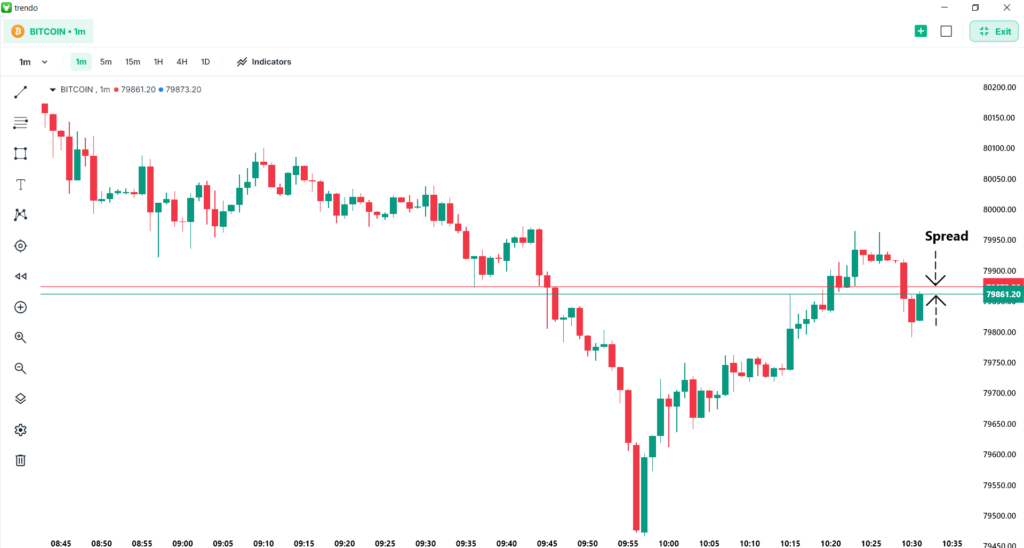
As displayed in 1m chart of Bitcoin, the difference showed in the chart between the bid price and asked price is called spread, as labeled in the following figure.
Example 2 – Positive Slippage
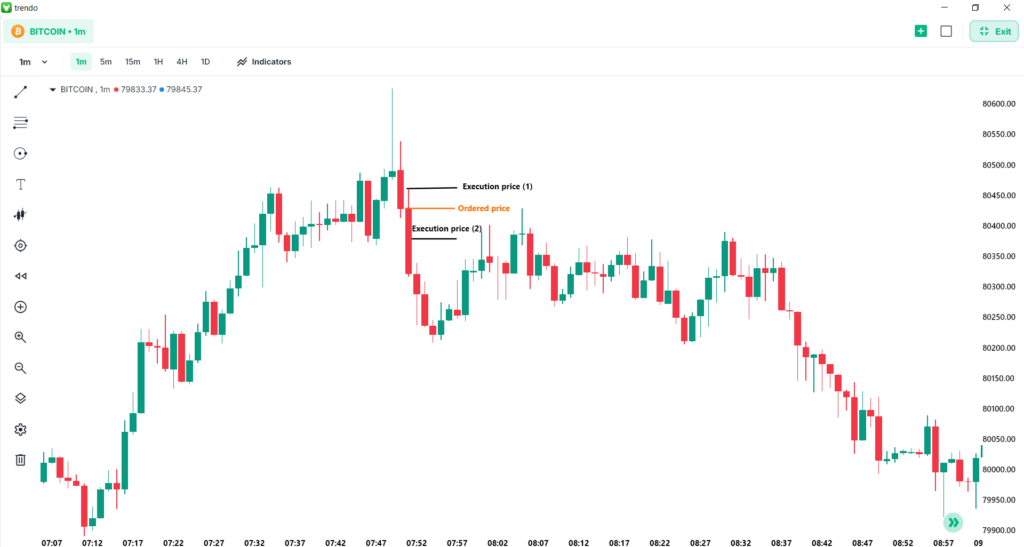
You place a market-sell order on BTC/USD labeled as ordered price. Because there is still ample depth in the book, the trade is filled at Execution price (1). For a seller, a higher fill price means you receive more dollars for each bitcoin, so the difference is positive slippage. It more than offsets the bid–ask spread and illustrates how, in fast markets, slippage can occasionally tilt in your favour.
Example 3 – Negative Slippage
Moments later volatility explodes. You hit “sell” again with the same ordered price, but a sudden red candle wipes out nearby bids. The trade now fills at Execution price (2). Selling below your request cost you in negative slippage, turning the position immediately red once the spread is added. This snapshot shows the harsh flip side of spread vs slippage: when liquidity thins, unfavourable slippage can dwarf the quoted spread and erode profits in an instant.
How to Reduce Spread and Slippage
To minimize spreads and slippage in Forex trading, selecting a reputable broker and using professional trading techniques are essential.
Here are some practical tips to optimize your trading performance:
-
Trade During High-Liquidity Sessions:
Trade high-liquidity windows. The London-New York overlap compresses spreads and lowers slippage probability—essential for anyone battling slippage vs spread. -
Deploy limit or stop-limit orders. They cap worst-case prices and keep slippage vs spread predictable.
-
Avoid Trading During Major News Releases:
Economic announcements can cause sharp volatility and wider spreads. Avoid market orders during these times or use limit orders instead. -
Use Pending Orders:
Pending orders allow trades to be executed at or better than your desired price, reducing slippage risk. -
Choose a Fast ECN Broker:
Faster routing slashes execution latency, shrinking slippage vs spread. -
Split Large Orders:
Breaking down large positions into smaller trades helps reduce market impact and slippage.
Introducing Trendo Broker: Low Spread and Minimal Slippage
Trendo Broker is a trusted global Forex and CFD broker offering a proprietary trading platform and a wide range of instruments, including currency pairs, precious metals, indices, oil, and cryptocurrencies.
With 24/7 Persian-language support, crypto deposits and withdrawals, and a community of over 500,000 traders worldwide, Trendo stands out as one of the fastest-growing brokers in the market. Trendo also provides demo accounts, copy trading, and PAMM services, along with attractive promotions such as a $100 free bonus and cashback programs, delivering a superior and rewarding trading experience.
Final Thoughts
Mastering slippage vs spread is a non-negotiable skill for consistent profitability. Treat both costs as integral parts of every plan—forecast them, limit them, and, where possible, turn them into an advantage. When you factor in the real difference between spread and slippage, your trading strategy becomes not only more transparent but also more resilient.
Download the Trendo Trading Platform and Get a $100 Free Bonus Today.