




Every trader has been there: you spot a potential setup, the chart looks promising, but something holds you back. That hesitation often comes from uncertainty, and that is exactly where the confirmation candlestick becomes your most reliable ally. It is the bridge between a pattern forming and a trade worth taking.
In this guide, you will learn what a confirmation candlestick is, how to identify one, which patterns qualify as strong confirmation signals, and how to build practical trading strategies around them. Whether you are trading forex, stocks, or crypto, understanding confirmation candles can meaningfully reduce false entries and sharpen your timing.
What Is a Confirmation Candlestick?
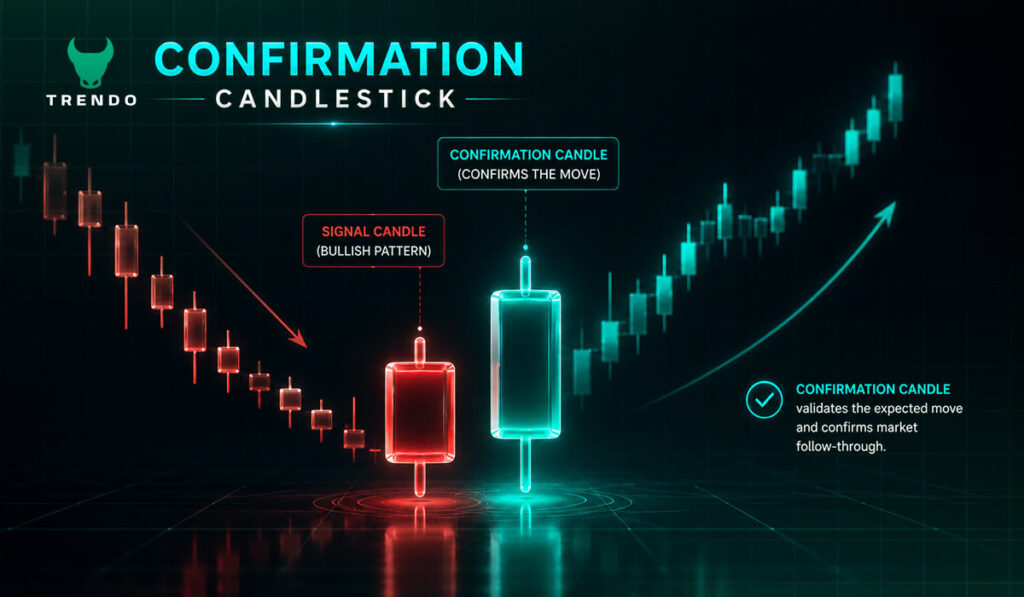
A confirmation candlestick is a candle that appears after a signal candle or chart pattern and validates the expected price move. In simple terms, it tells you that the market is actually following through in the direction you anticipated, rather than reversing or stalling.
The idea is straightforward: technical patterns, whether a hammer, a doji, or a head-and-shoulders, do not guarantee a trade on their own. The market needs to prove itself. A confirmation candle is that proof.
The Role of Confirmation in Technical Analysis
Technical analysis is built on the idea that price action reflects collective market behavior. But markets are noisy. False signals appear regularly. Confirmation acts as a filter; it requires that a pattern demonstrate follow-through before you commit capital.
When you wait for a confirmation candle to fully close, you are making a data-driven decision rather than a speculative one. This discipline is what separates reactive trading from structured trading.
To fully understand the context here, it helps to have a solid grasp of mastering candlestick patterns before diving into confirmation mechanics.
Confirmation Candle vs. Signal Candle
These two terms are often confused. A signal candle is the pattern that suggests a potential price move — for example, a hammer at the bottom of a downtrend. A confirmation candlestick is the next candle (or next few candles) that closes in the expected direction, validating the signal.
Signal candle: Suggests. Confirmation candle: Validates. Both are necessary for a high-confidence trade entry.
How Does a Confirmation Candlestick Work?
Markets are driven by the decisions of millions of traders and institutions. When a signal candle forms, say, a bullish engulfing, it reflects a shift in sentiment. But not all participants act immediately. Some wait for the next candle to confirm the move before entering.
As more traders see the confirmation candle closing bullishly, buying pressure increases, which in turn drives the price further. This self-reinforcing mechanism is why confirmation candles tend to precede meaningful moves.
What a Confirmation Candle Tells You About Market Sentiment?
A strong confirmation candle communicates several things at once: that the initial signal was genuine, that buyers (or sellers) have taken control, and that the momentum behind the move has substance. A weak, indecisive candle following a signal, on the other hand, suggests the market is not ready to commit.
Timing: When Does a Confirmation Candle Appear?
In most confirmation candlestick strategies, the candle appears immediately after the signal candle. The key rule: always wait for the candle to fully close. Entering mid-candle is one of the most common and costly mistakes in candlestick trading.
Depending on your timeframe, the confirmation candle could take minutes (on a 5-minute chart) or a full day (on a daily chart) to form. Patience is not optional here — it is the strategy.
Why Waiting for Confirmation Reduces False Signals
Without confirmation, you are essentially entering on hope. With confirmation, you are entering on evidence. Studies and backtests consistently show that traders who require a confirmed close before entry experience significantly fewer false breakouts and improved reward-to-risk ratios.
How to Identify a Confirmation Candlestick
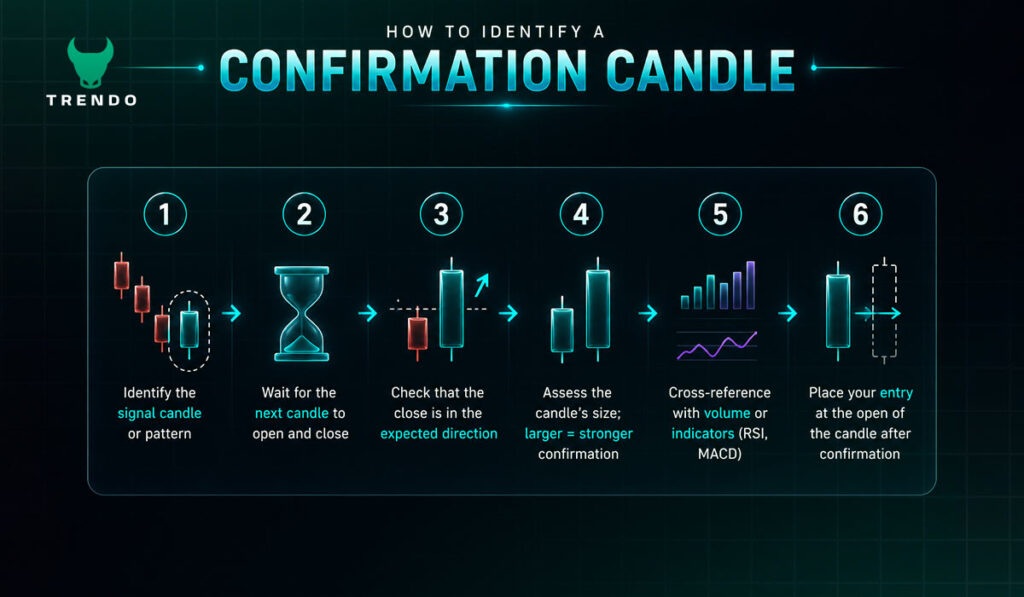
- Identify the signal candle or pattern (hammer, engulfing, doji, etc.)
- Wait for the next candle to open and fully close
- Check that the close is in the direction of your anticipated trade
- Assess the candle’s size; larger bodies signal stronger confirmation
- Cross-reference with volume or an indicator like RSI or MACD
- Place your entry at the open of the candle after the confirmation candle closes
Visual Characteristics of Valid Confirmation Candles
A valid confirmation candle typically shows:
- A solid body that closes decisively in the expected direction
- Minimal or no contradicting wicks (a long upper wick on a bullish confirmation is a red flag)
- A closing price well above (for bullish) or below (for bearish) the signal candle
- A body that is equal to or larger than the signal candle
Confirmation Candle Size and Strength
Size matters. A large-bodied confirmation candle — one that closes near its high (bullish) or near its low (bearish), is a much stronger signal than a small-bodied one. The body represents the net result of the battle between buyers and sellers. Larger body = clearer winner.
Volume Analysis with Confirmation Candles
Volume is an optional but powerful filter. When a confirmation candlestick forms on above-average volume, it suggests that a broader group of market participants is behind the move. This reduces the chance of the confirmation being a random fluctuation rather than a genuine directional shift.
Timeframe Considerations for Confirmation
Higher timeframes produce more reliable confirmation signals. A confirmation candle on a daily chart carries significantly more weight than one on a 1-minute chart. As a general rule, traders who are newer to technical analysis should focus on the 4-hour or daily timeframe for confirmation signals.
Join the Trendo weekly market newsletter and receive curated confirmation candle setups across major forex pairs, indices, and crypto — delivered every Monday before the trading week opens.
Types of Confirmation Candlesticks
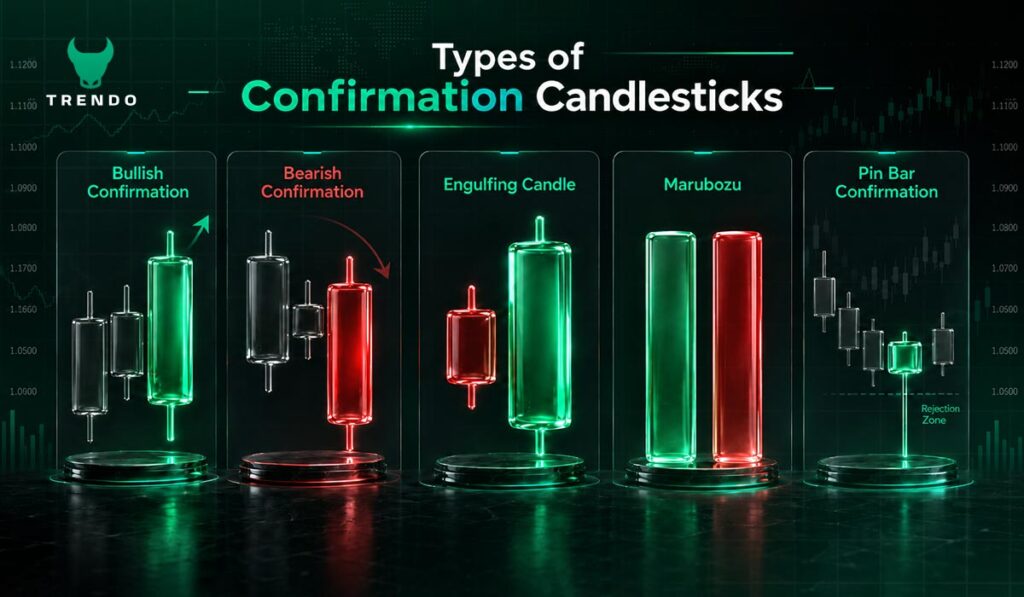
- Bullish Confirmation Candlestick
- Bearish Confirmation Candlestick
- Engulfing Candle as Confirmation
- Marubozu as Strong Confirmation
- Pin Bar Confirmation Candles
Bullish Confirmation Candlestick
A bullish confirmation candlestick closes higher than the previous candle and confirms that buying momentum has taken over. This typically appears after bullish reversal signals such as a hammer, morning star, or bullish pin bar. The body should be strong, ideally green (or white), with a close near the session high.
Bearish Confirmation Candlestick
Conversely, a bearish confirmation candle closes lower and confirms that selling pressure has taken control. It follows patterns like a shooting star, evening star, or bearish engulfing. A large bearish body closing near the session low is the ideal form.
Engulfing Candle as Confirmation
An engulfing candle is one of the most recognized and trusted confirmation candlestick patterns. A bullish engulfing candle’s body fully covers the prior candle’s body, showing that buyers overwhelmed sellers. When this appears after a bearish trend, it serves as powerful confirmation of a potential reversal.
Marubozu as Strong Confirmation
A Marubozu is a candle with no wicks — it opens at one extreme and closes at the other. This is considered one of the strongest forms of confirmation because it shows complete dominance by one side. A bullish Marubozu following a signal candle leaves little doubt about directional intent.
Pin Bar Confirmation Candles
Pin bars — candles with long wicks and small bodies — can act as confirmations when they appear in the right context. A bullish pin bar at a key support level after a signal candle confirms that sellers failed to push lower and buyers stepped in aggressively.
Waiting for the confirmation candle to close is not losing time; it is gaining an edge. A principle shared across professional trading disciplines worldwide.
Confirmation Candlestick Patterns
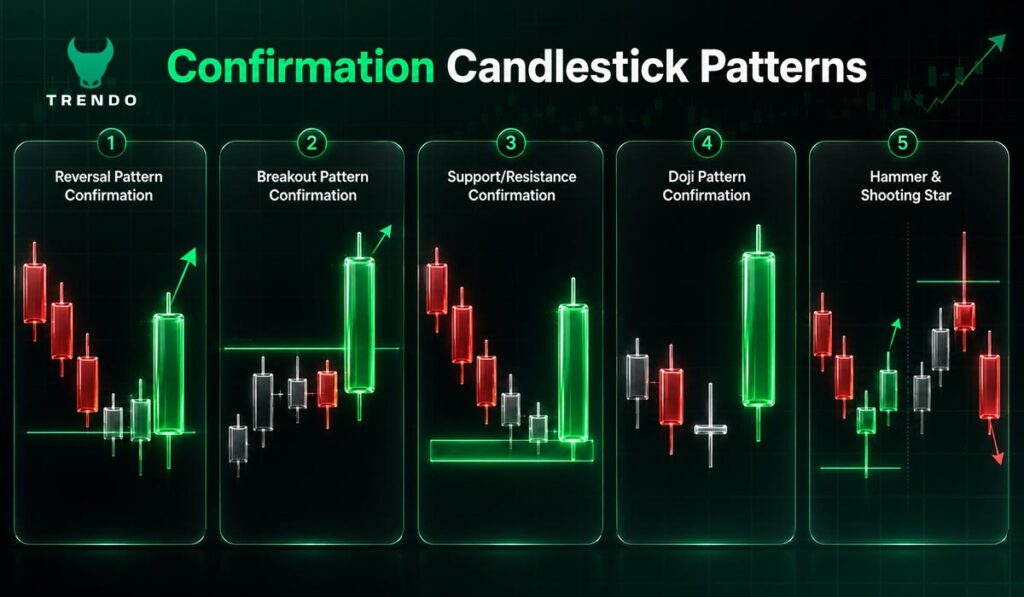
- Reversal Pattern Confirmation
- Breakout Pattern Confirmation
- Support/Resistance Level Confirmation
- Doji Pattern Confirmation
- Hammer and Shooting Star Confirmation
Reversal Pattern Confirmation
When a reversal pattern — such as a double bottom, head and shoulders, or morning star — completes, traders wait for the next candle to confirm the directional change. The confirmation candlestick in this context should close firmly beyond the pattern’s neckline or key level.
Breakout Pattern Confirmation
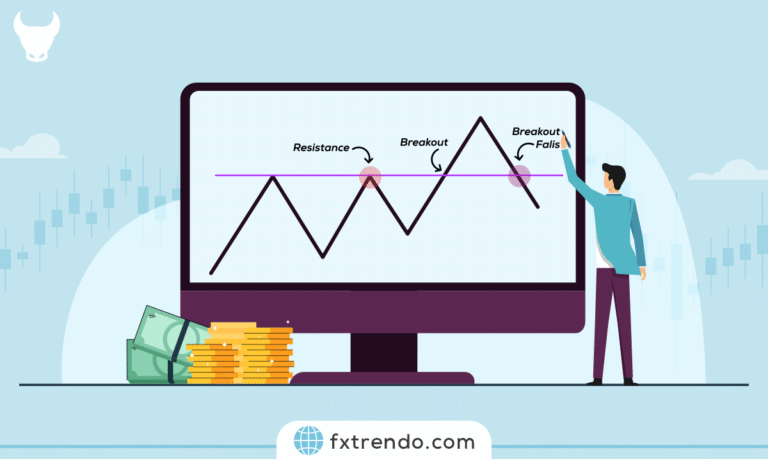
In breakout trading, the price breaks above a resistance or below a support level. However, not every break holds. Waiting for a confirmation candle to close above resistance (or below support) filters out the majority of false breakouts and fakeouts.
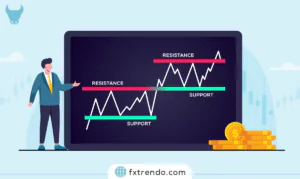
Support/Resistance Level Confirmation
When price returns to a key support or resistance level, confirmation candles tell you whether the level is holding. A bullish pin bar or engulfing candle closing above a support zone gives high-confidence confirmation that buyers are defending the level.
Doji Pattern Confirmation
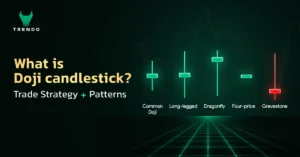
A doji on its own signals indecision. But when the candle following a doji closes decisively in one direction, it acts as a confirmation candlestick that resolves the indecision. Learn more about what is a doji candlestick and how to trade it effectively.
Hammer and Shooting Star Confirmation
A hammer at support or a shooting star at resistance is a signal candle. The confirmation candlestick is the next candle that follows. For the hammer, confirmation is a bullish close above the hammer’s high. For the shooting star, it is a bearish close below the star’s low.
How to Trade with Confirmation Candlesticks
Basic Confirmation Candle Trading Rules
- Never enter mid-candle. Always wait for the candle to fully close.
- The confirmation candle must close in your trade direction. A green candle for bullish trades, a red candle for bearish ones.
- Bigger confirmation = stronger signal. Small, indecisive confirmation candles are low-conviction.
- Use context. A confirmation candle near a major level carries more weight than one in a random location.
Entry Strategy: When to Enter After Confirmation
The two most common entry methods are:
- At the open of the next candle: You enter immediately when the confirmation candle closes and the next opens. Fast entry, but you may get a slightly worse price.
- On a retest: You wait for the price to pull back slightly toward the confirmation candle’s close before entering. Better price, but some trades move without retesting.
Stop Loss Placement with Confirmation Candles
Stop losses should be placed:
- Below the low of the confirmation candle (bullish trades)
- Above the high of the confirmation candle (bearish trades)
- Or beyond the entire signal + confirmation candle structure for wider stops in volatile markets
Start trading with a broker that gives you the tools to trade smarter. Open your Trendo account today and access real-time charts, RSI, MACD, and all the indicators you need to trade confirmation candle setups with confidence.
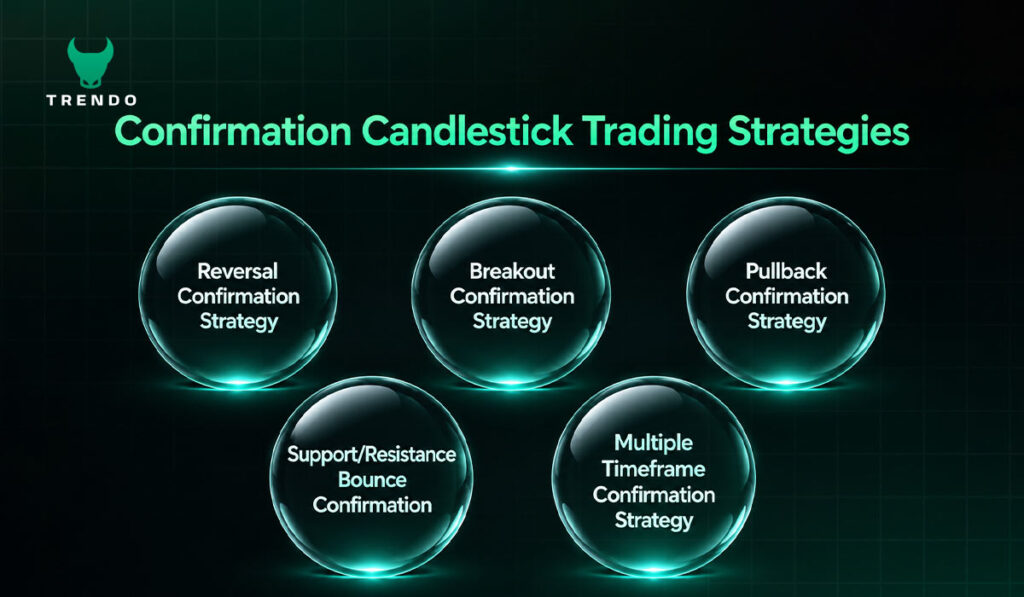
Confirmation Candlestick Trading Strategies
- Reversal Confirmation Strategy
- Breakout Confirmation Strategy
- Pullback Confirmation Strategy
- Support/Resistance Bounce Confirmation
- Multiple Timeframe Confirmation Strategy
Reversal Confirmation Strategy
Wait for a candlestick reversal pattern (morning star, bullish engulfing, or hammer) at a key support level. The confirmation candlestick should close above the pattern’s high. Enter on the next candle’s open. Stop loss below the pattern’s lowest point. Target the next resistance level.
Breakout Confirmation Strategy
Identify a consolidation zone or key resistance level. When price breaks out, wait for a confirmation candle to close firmly beyond the breakout level. Enter on the next open. Measure the breakout range and project that distance as your target.
Pullback Confirmation Strategy
In an established trend, wait for the price to pull back to a moving average or support level, then look for a confirmation candlestick that resumes the trend direction. This combines trend-following with precise entry timing.
Support/Resistance Bounce Confirmation
Identify a proven support and resistance area. When the price touches it, watch for a signal candle followed by a strong confirmation candle in the bounce direction. This strategy is particularly powerful on higher timeframes.
Multiple Timeframe Confirmation Strategy
Analyze the market direction on a higher timeframe (e.g., daily). Then drop to a lower timeframe (e.g., 4-hour or 1-hour) to find a confirmation candlestick aligned with the higher timeframe trend. This technique filters out low-quality setups significantly.
Combining Confirmation Candles with Technical Indicators
Confirmation Candle + Moving Averages
When a confirmation candle closes above a key moving average (such as the 50 or 200 EMA) following a bullish signal, it greatly increases trade confidence. The moving average acts as a dynamic support level that the confirmation candle must clear to validate the setup.
Confirmation Candle + RSI
The RSI indicator is particularly useful here. If the RSI is in oversold territory (below 30) when a bullish confirmation candlestick forms, that alignment significantly strengthens the signal. Similarly, an RSI divergence followed by a confirmation candle is one of the highest-probability setups available.
Confirmation Candle + MACD
A bullish MACD crossover occurring around the same time as a confirmation candle closes creates a compounding signal. Two independent tools pointing in the same direction dramatically reduce the probability of a false signal. Always treat indicator alignment as additional evidence, not a replacement for price action.
Access Trendo’s free library of video tutorials covering confirmation candle strategies with live chart examples.
Common Mistakes with Confirmation Candlesticks
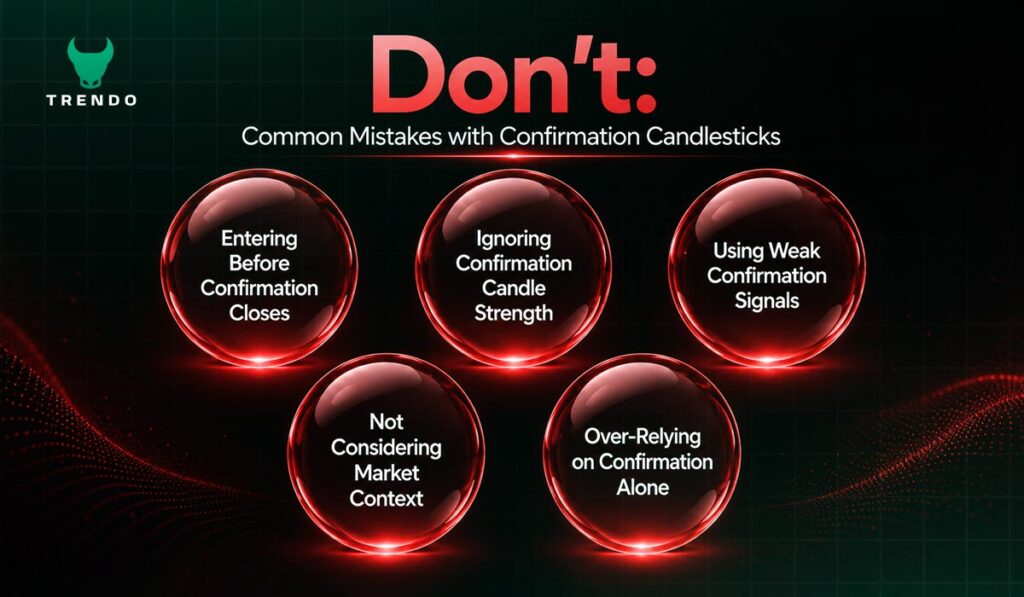
Mistake 1: Entering Before Confirmation Closes
The most frequent error. If a candle looks like it will close as a strong bullish confirmation, you may be tempted to enter early. Resist. Candles can reverse sharply in the last few seconds before close. The rule is simple: the candle must be closed before you act.
Mistake 2: Ignoring Confirmation Candle Strength
A tiny confirmation candle — sometimes called an “inside bar” or a narrow-range candle — is a weak signal at best. If the confirmation candlestick lacks conviction, the setup lacks conviction. Skip low-quality confirmations, even if the signal candle looked perfect.
Mistake 3: Using Weak Confirmation Signals
Not every candle that closes in the right direction qualifies. A valid confirmation candle should close near its high (bullish) or low (bearish), have a meaningful body, and leave little to no opposing wick. Candles that close in the right direction but have large opposing wicks are ambiguous at best.
Mistake 4: Not Considering Market Context
A confirmation candlestick pattern at a random location in the middle of a range is far less meaningful than the same pattern at a major support level, moving average, or Fibonacci retracement zone. Context transforms an average signal into a high-probability setup.
Mistake 5: Over-Relying on Confirmation Alone
Confirmation candles are a tool, not a system. They work best as part of a structured trading plan that includes trend analysis, level identification, position sizing, and risk management. No single element of technical analysis should carry the full weight of a trading decision.
Real Trading Examples with Confirmation Candlesticks
Example 1: Bullish Reversal Confirmation Trade
Scenario: EUR/USD is in a downtrend. A hammer candle forms at a key daily support level. The next candle — the confirmation candlestick — closes above the hammer’s high as a full-bodied bullish candle. RSI is at 28, moving up. Entry: opening of the following candle. Stop: below the hammer’s low. Target: next resistance.
Result: Price follows through bullishly over the next several sessions, reaching the target with minimal drawdown. The confirmation candle eliminated a false signal that occurred just two sessions prior.
Example 2: Support Level Bounce Confirmation
Scenario: Gold touches a rising trendline support three times. On the fourth touch, a doji forms. The next candle is a strong bullish confirmation candle, closing well above the doji. Volume spikes. Entry at open of the candle after confirmation. Stop below the doji low. Target: previous swing high.
The confirmation candle not only validated the bounce but also confirmed that volume-backed buying pressure had entered the market.
Conclusion: Mastering Confirmation Candlestick Trading
The confirmation candlestick is one of the most practical and powerful concepts in price action trading. It does not predict the future — no tool can. What it does is give you a rational, evidence-based reason to act rather than react.
By learning to wait for confirmation, identify strong versus weak confirmation candles, and combine them with technical context and indicators, you substantially improve the quality of your trade entries. You will take fewer trades, but the ones you take will be more grounded in real market evidence.
For further reading, explore our guides on forex confirmation patterns and Fibonacci Forex Trading, both pair naturally with confirmation candle strategies.
Ready to put confirmation candlestick strategies into practice? Sign up with Trendo today, access professional-grade charting tools, a free demo account, and a growing library of educational resources to help you trade with confidence.